


%402x.svg)
chamber of commerce

Backcountry skiing in the Mt. Washington Valley is unlike anywhere else in the Northeast. The terrain is steeper, the snowpack is more complex and the conditions are more dynamic. Mike Cherim, owner of Redline Guiding in Intervale, NH, says success in the backcountry isn’t just about skiing ability—it’s about timing, terrain awareness and decision making.
“The positioning of the sun in relation to the line you’re skiing is huge,” Cherim explained. “ On Mt. Washington, as soon as a shadow is cast over a line, it can harden up quickly.”
That’s just one example of many nuances and small details that make backcountry skiing here both rewarding and demanding. A line that skis beautifully with soft corn snow can turn icy and unforgiving in a matter of minutes.
Before heading out, here are a few things that Cherim recommends every skier do:
If there hasn’t been any recent snowfall, Cherim recommends starting later in the morning to give the snow time to soften.
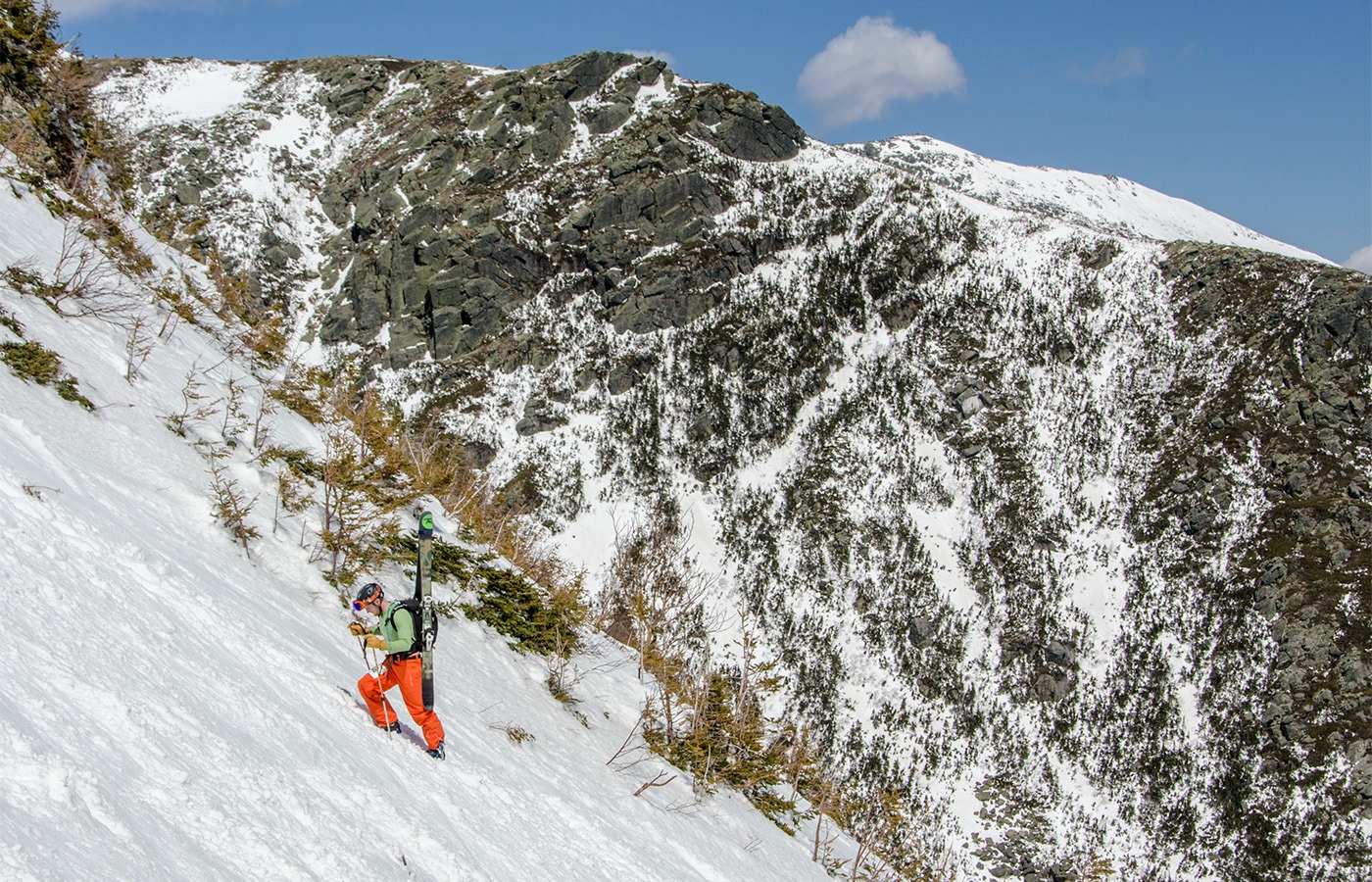
New to backcountry skiing?
The best place to begin isn’t necessarily in the depths of the White Mountains. Cherim encourages skiers to start in more controlled environments.
“The frontcountry is a great training ground,” he said. “Ski the edges of the trails—six to eight feet wide—and focus on making controlled turns.”
This approach allows skiers to develop technique and confidence in variable snow. From there, many progress to “slackcountry”—backcountry areas accessible from a ski resort that offer experiences with a lower commitment.
Understanding the snowpack and avalanche risk
Backcountry skiing requires a deeper understanding of snow than resort skiing. Conditions beneath the surface can vary dramatically and influence both ski quality and safety.
Before heading into avalanche-prone terrain, skiers should:
Guided trips through services like Redline Guiding will provide both access and education, helping skiers build skills safely while exploring iconic terrain.
Tuckerman Ravine
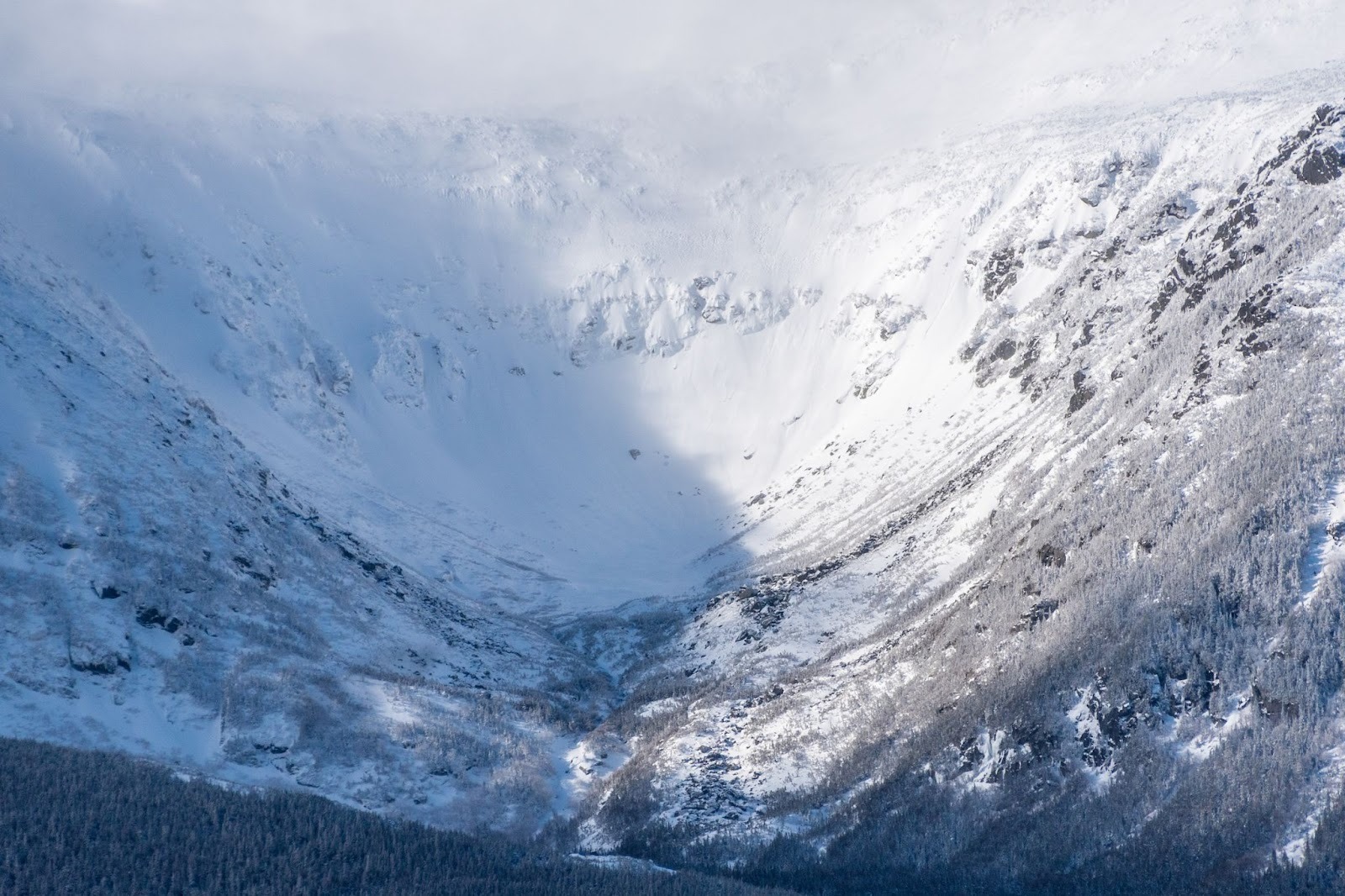
Speaking of iconic terrain, no backcountry ski destination in the East is more legendary than Tuckerman Ravine. Its steep headwall, dramatic setting and storied history draw skiers from across the country every spring.
“Tuckerman Ravine has become a rite of passage,” Cherim said.
One of its best features is the visibility. Unlike many backcountry zones in the Northeast, where terrain reveals itself gradually, Tuckerman Ravine allows skiers to see the full scope of their line before committing to it.
“The beauty of Tuckerman is that you start at the bottom, so you can see exactly what you’re about to ski as you hike up,” Cherim explained.
However, the visibility doesn’t mean it’s just a walk in the park.
“Tuckerman Ravine and some of these other areas can take an expert skier and turn them into a novice very quickly,” Cherim said.
The steepness, dynamic snow conditions and exposure demand respect, proper preparation and sound decision making.
Go with a guide
The White Mountains offer nearly endless backcountry terrain—some areas as well known as Tuckerman Ravine, others are local secrets. Hiring a guide with expert knowledge of the area will not only help ensure a safe trip, but also give you a better understanding of how to read terrain, evaluate conditions and find the best snow on any given day.
Whether you’re ready to take on Tuckerman Ravine or want to explore new areas of the White Mountains, experienced guides from places like Redline Guiding, Northeast Mountaineering or International Mountain Climbing School can help build confidence, further develop skills and unlock new terrain you might otherwise never discover.
.svg)


.svg)
.svg)
%402x.svg)

.svg)
.svg)


%402x.svg)
%402x.svg)

